Does homeowners insurance cover damaged flooring in Florida?
By Mei Nair · Updated 2026-07-02
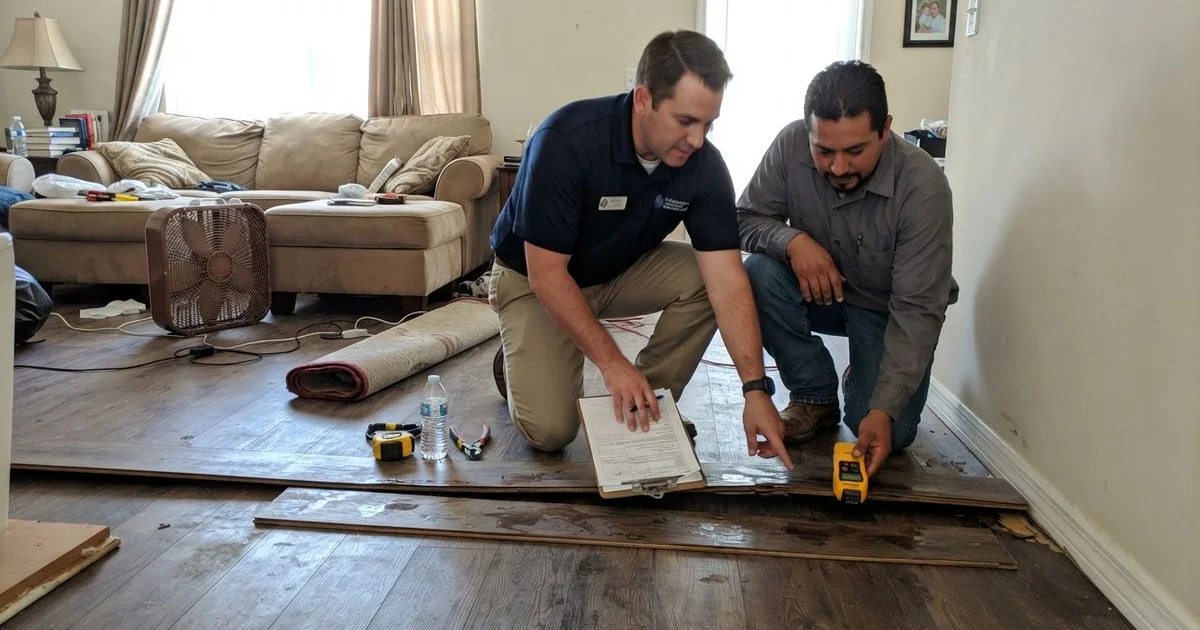
This article explains how flooring damage is generally treated by homeowners insurance. It is general information, not insurance or legal advice. Always check your specific policy and talk to your insurance provider before making a decision.
Flooring damage claims are common in Florida, where slab foundations, hurricane season, and older plumbing all create real risk. But whether a specific case of damaged flooring gets covered depends heavily on the cause, and that distinction trips up a lot of homeowners.
The general rule: sudden versus gradual
Most homeowners policies draw a hard line between damage that happens suddenly and accidentally, and damage that builds up over time. A pipe that bursts overnight and soaks a hardwood floor is typically the kind of sudden event a standard policy covers. A slow leak under a bathroom vanity that nobody noticed for months, resulting in warped subfloor and moldy grout, is far more likely to be treated as a maintenance failure, which most policies exclude.
This distinction matters because flooring damage often looks the same on the surface, cupped hardwood, lifted vinyl, cracked tile, regardless of which category caused it. An insurance adjuster will typically want to know the root cause before determining coverage.
What’s commonly covered versus excluded
| Cause of damage | Typically covered? |
|---|---|
| Burst pipe or sudden appliance failure | Usually yes |
| Storm-driven rain through a damaged roof | Often yes, if the roof damage itself is covered |
| Rising floodwater or storm surge | No, requires separate flood insurance |
| Long-term slow leak or seepage | Often no, treated as a maintenance issue |
| Normal wear, cupping, or fading over years | No, not a covered peril |
| Mold resulting from a covered water event | Sometimes, often with a coverage cap |
Every policy is different, and endorsements can change these defaults. Read your declarations page and the specific water damage and mold provisions rather than assuming any of the above applies to your policy exactly.
Flood insurance is a separate product
This is the exclusion that catches the most Tampa homeowners off guard. A standard homeowners policy does not cover flooding, meaning water that enters from outside due to storm surge, overflowing waterways, or heavy rain pooling faster than it can drain. If your home is in a flood-prone area, or you simply want the protection given Florida’s hurricane exposure, flood coverage has to be purchased separately, often through the National Flood Insurance Program or a private flood policy. If a storm has already left your floors wet, our guide on flooring after a storm or flood covers what to do in the first 48 hours before you think about insurance.
Before you file a claim
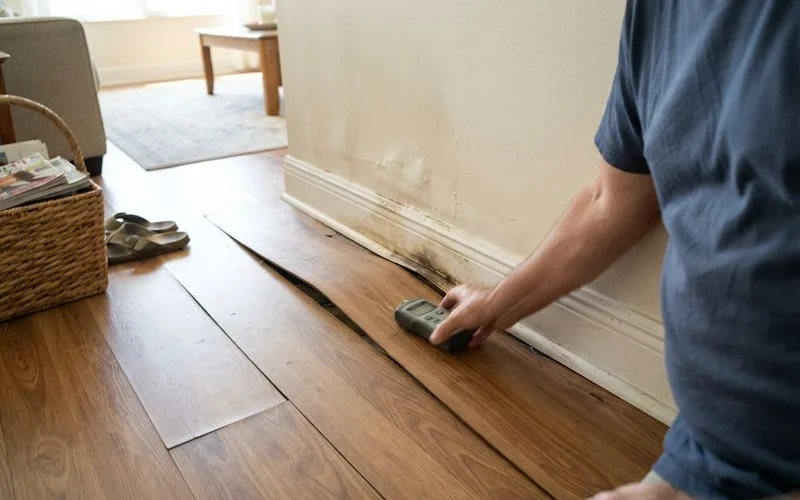
Document everything before any cleanup or repair begins: photos of the damage, the source if it’s identifiable, and the approximate date you noticed it. Get a written repair estimate from a flooring contractor, since adjusters weigh a professional estimate more heavily than a verbal description. If the damage stems from a plumbing failure, a plumber’s diagnosis of the cause can also support your claim.
Weigh the repair cost against your deductible before filing. A claim for a cost close to or below your deductible often isn’t worth filing, since it can still affect your claims history even if the payout is small.
If the claim involves significant damage or the insurer’s initial estimate seems well below what contractors are quoting you, some homeowners hire a public adjuster to represent their side of the negotiation. That comes at a cost, usually a percentage of the claim payout, so it tends to make sense for larger, more disputed claims rather than routine ones.
Deciding what to do next
If your claim is approved, your insurer will typically specify an approved scope of work and, in some cases, an approved contractor list or reimbursement cap. Get a repair quote from a flooring contractor before finalizing anything with your insurer, so you know whether the approved amount realistically covers the job. If the claim is denied or only partially covers the repair, you’re back to comparing quotes and paying out of pocket for some or all of the work. For a general sense of installation costs before quotes start coming in, our guide on what flooring installation costs in Florida breaks down typical price ranges by material.
Either way, our directory of Tampa flooring contractors can help you find a business experienced in insurance-related repair work, and our scoring method explains how we rank them.
FAQ
- Does homeowners insurance cover a slow leak that damaged my floor?
- Often not fully. Sudden, accidental water damage is typically covered, but damage from a leak that went unaddressed over time is frequently treated as a maintenance issue, which is excluded.
- Is flood damage covered by a standard homeowners policy?
- No. Flood damage from rising water, storm surge, or heavy rain overwhelming drainage generally requires a separate flood insurance policy, which is not automatically included in a standard homeowners policy.
- Will my insurance cover mold that develops after water damage?
- Coverage for resulting mold is often limited or capped, even when the original water damage is covered. Check your policy's specific mold provision rather than assuming it's included.
- Should I file a claim or just pay for flooring repair myself?
- That depends on your deductible versus the repair cost, and whether a claim could affect your premium. A contractor's repair estimate is a useful number to have before deciding either way.